Full UX/UI design and GTM execution for a gamification system overhaul, concept to launch
Experts Exchange had a long-running reputation as a community where technical experts could help each other solve complex problems. But the engagement system that rewarded those contributions had not meaningfully evolved in years.
The platform used a points-based system to recognize expertise, but the mechanics behind it were opaque and difficult for users to understand. Contributors could accumulate points, but there was no clear sense of progress, status, or long-term recognition for their efforts.
Over time, this created a subtle but important problem. Users who were willing to contribute had little feedback on whether their contributions mattered, and newer users struggled to understand how to participate meaningfully in the community.
Engagement metrics had begun to plateau, and it was clear the product needed a stronger reason for users to return and contribute regularly.
This project wasn't assigned to me. I identified the opportunity, made the case internally, and then led the entire initiative from concept through launch.
Because the team was lean, my responsibilities covered the full lifecycle of the project. I built the business case for the new system, conducted the research that informed its design, wrote the product requirements documents, and served as the lead UX/UI designer.
I also coordinated closely with engineering throughout development and ultimately owned the go-to-market rollout once the new system was ready.
Before designing anything, I spent several weeks studying how gamification systems work across different categories of products.
I analyzed examples from gaming platforms, SaaS communities, developer ecosystems, and online learning environments. The goal was to understand what drives sustained participation rather than novelty features that users interact with once and then ignore.
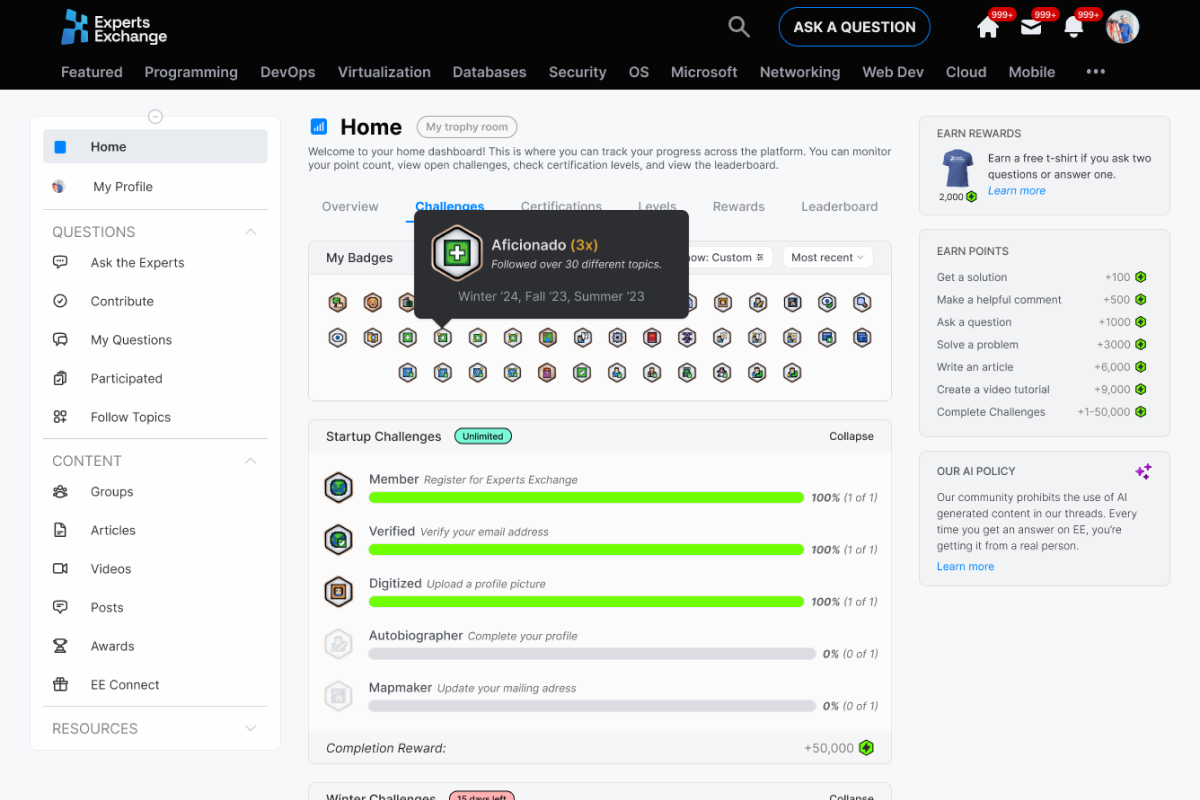
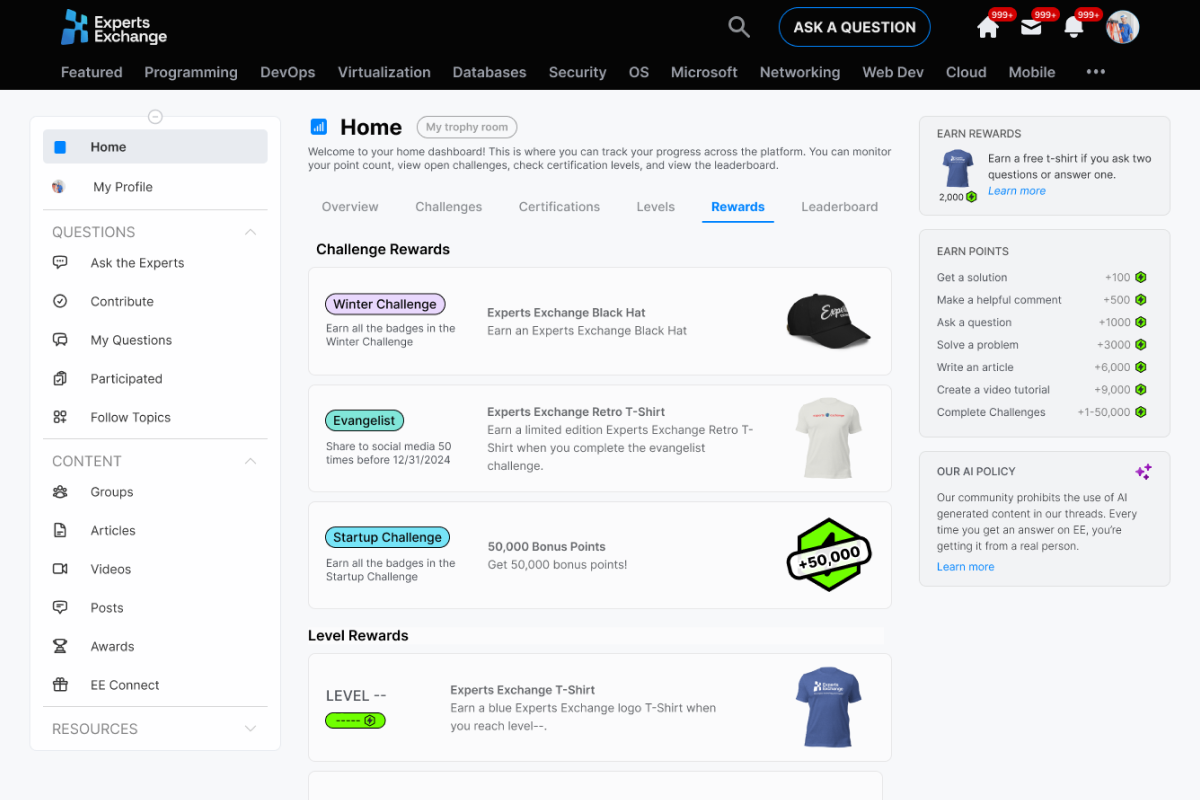
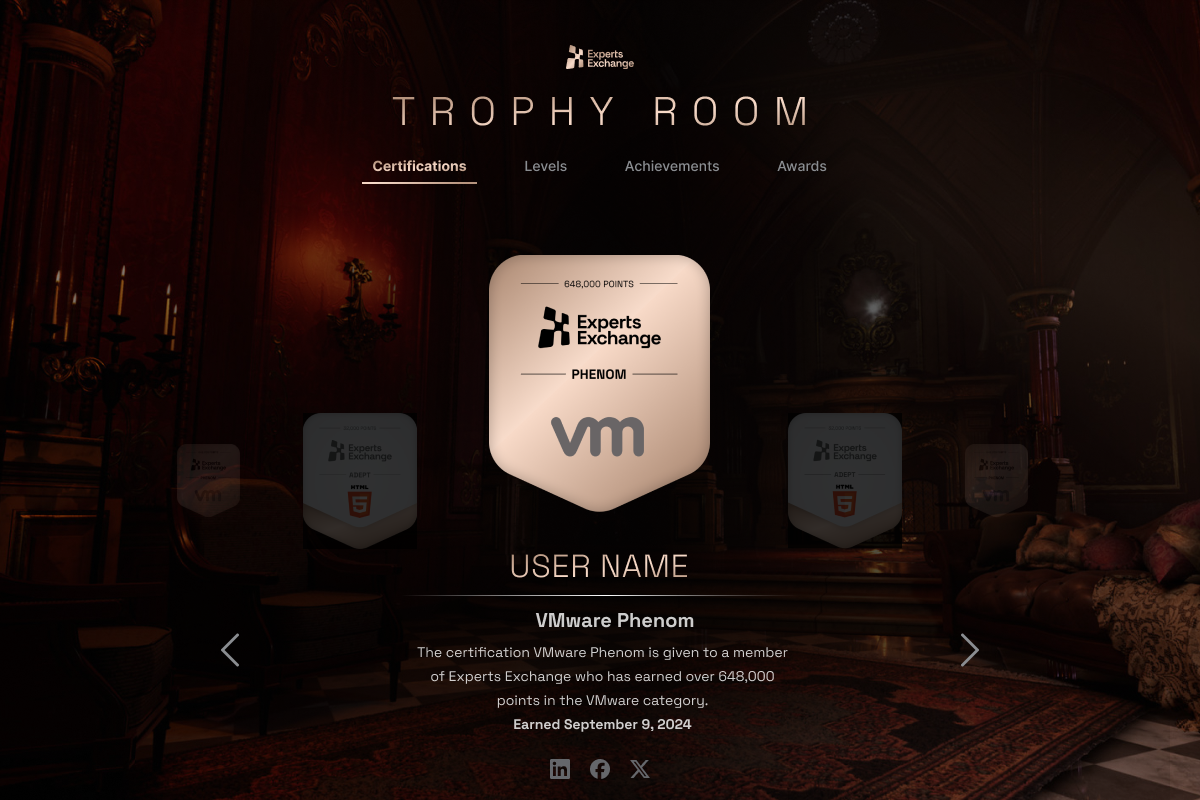
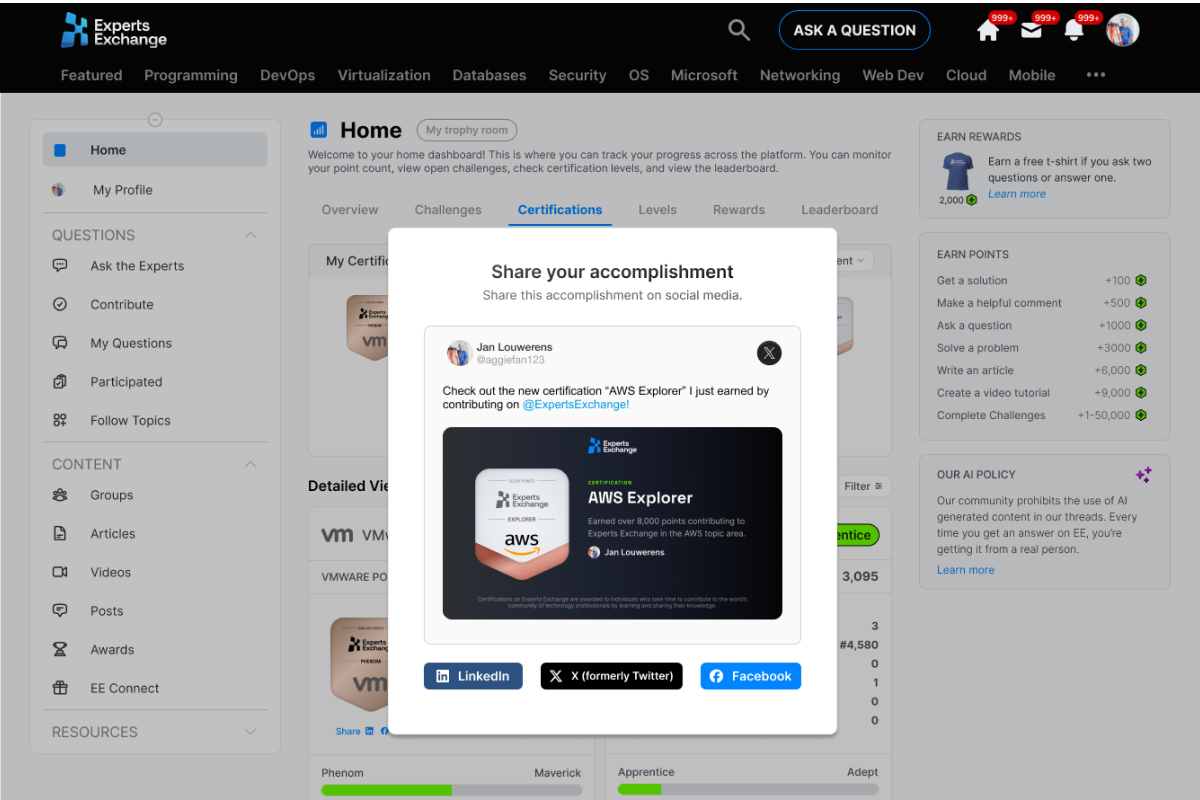
The system I ultimately designed included several components that worked together to reinforce participation:
Each element served a specific psychological function. Leveling provided forward momentum, certifications signaled credibility, and visible achievements created social proof within the community.
The rollout strategy was just as important as the design itself. Instead of launching the entire system at once, I structured the implementation in phases. Each phase introduced new functionality while preserving the stability of the existing product experience.
This phased rollout minimized development risk and allowed the product to evolve gradually without disrupting the core workflows users relied on.
Following the launch of the gamification system, overall user activity increased by 25%, and account reactivations — users returning after periods of inactivity — increased by 20%.
More importantly, the system created a clearer path for community participation. Users could see where they stood, what they had achieved, and what they could work toward next.
The redesign turned the engagement system from a passive scorekeeping mechanism into a visible progression system that reinforced expertise and participation.
The system remains active on the platform today.